Heat Pump System Upgrades
& Retrofits in Hampshire
Upgrade your existing heat pump system to deliver the performance it should have from the start — better emitters, smarter controls, and measurably lower running costs.
- Free, no-obligation home estimate
- Fixed prices — quote stands, no surprises
- Same-week repairs on most callouts
15+ years in HVAC. Specialist in retrofitting and upgrading underperforming heat pump installations.
Tell us what you need
Quick form, real human reply — usually within a couple of hours.



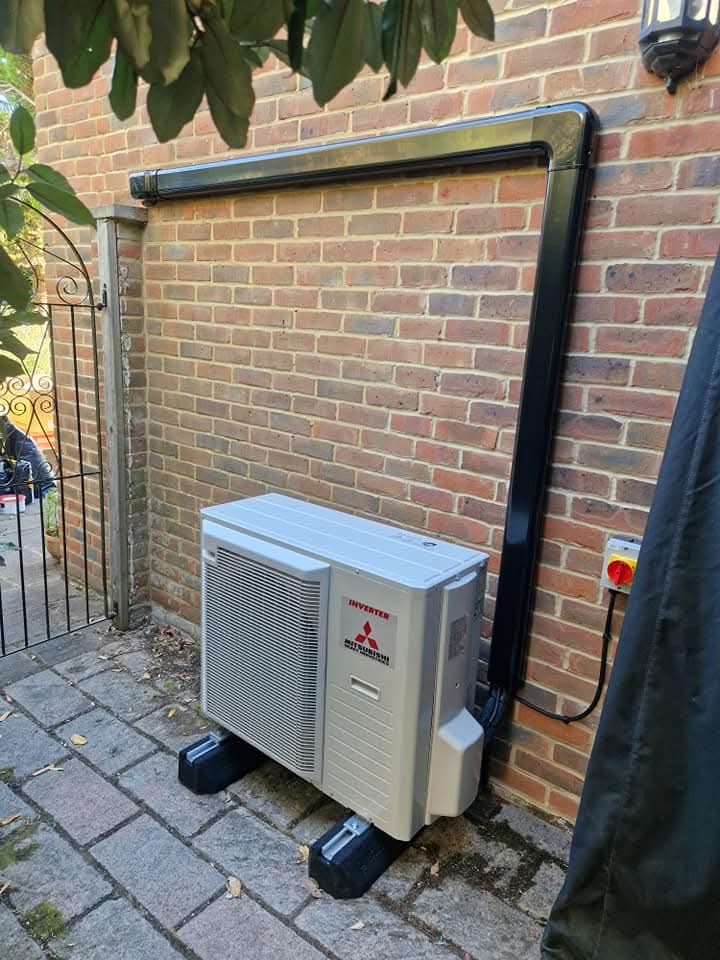
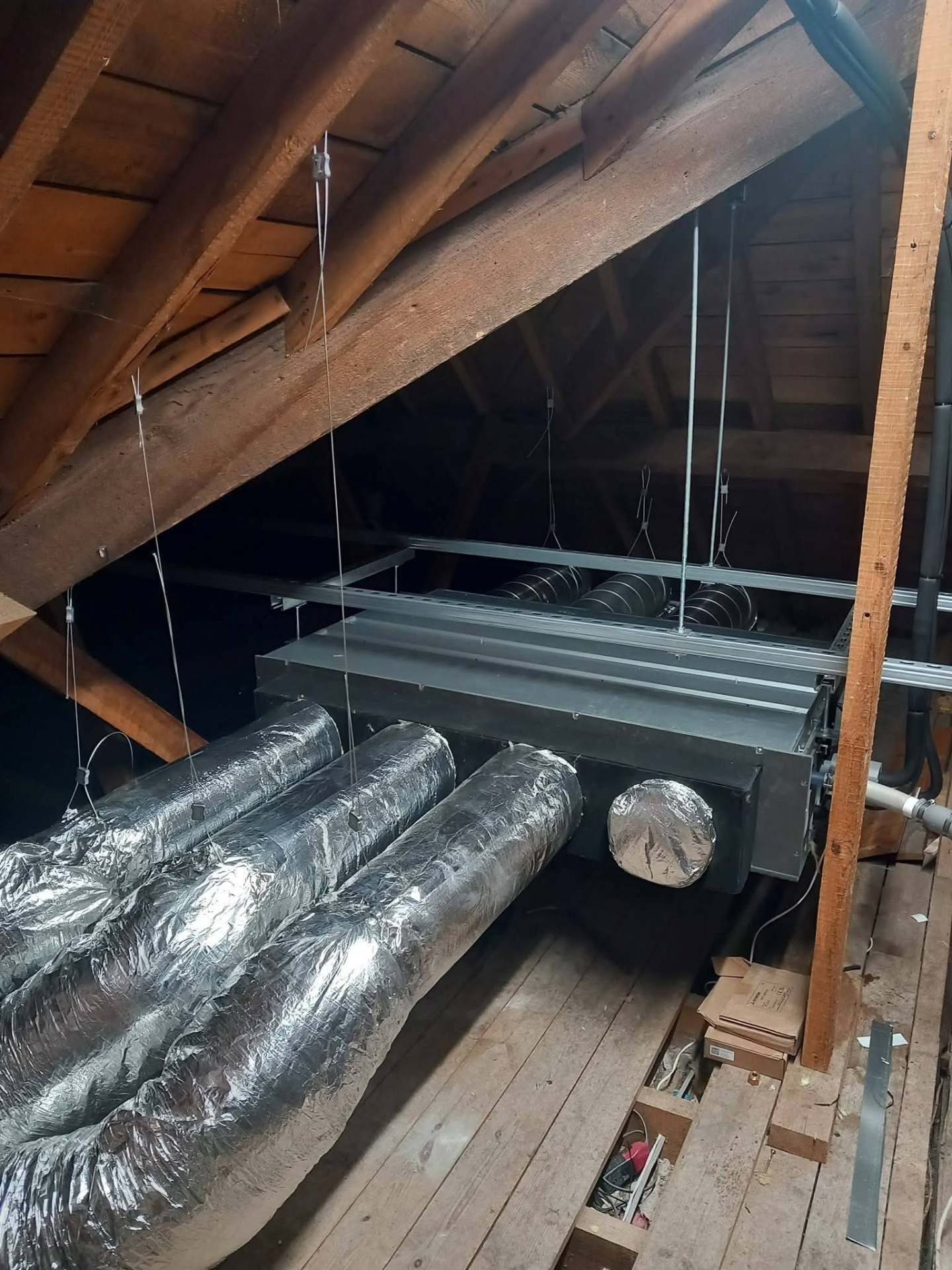
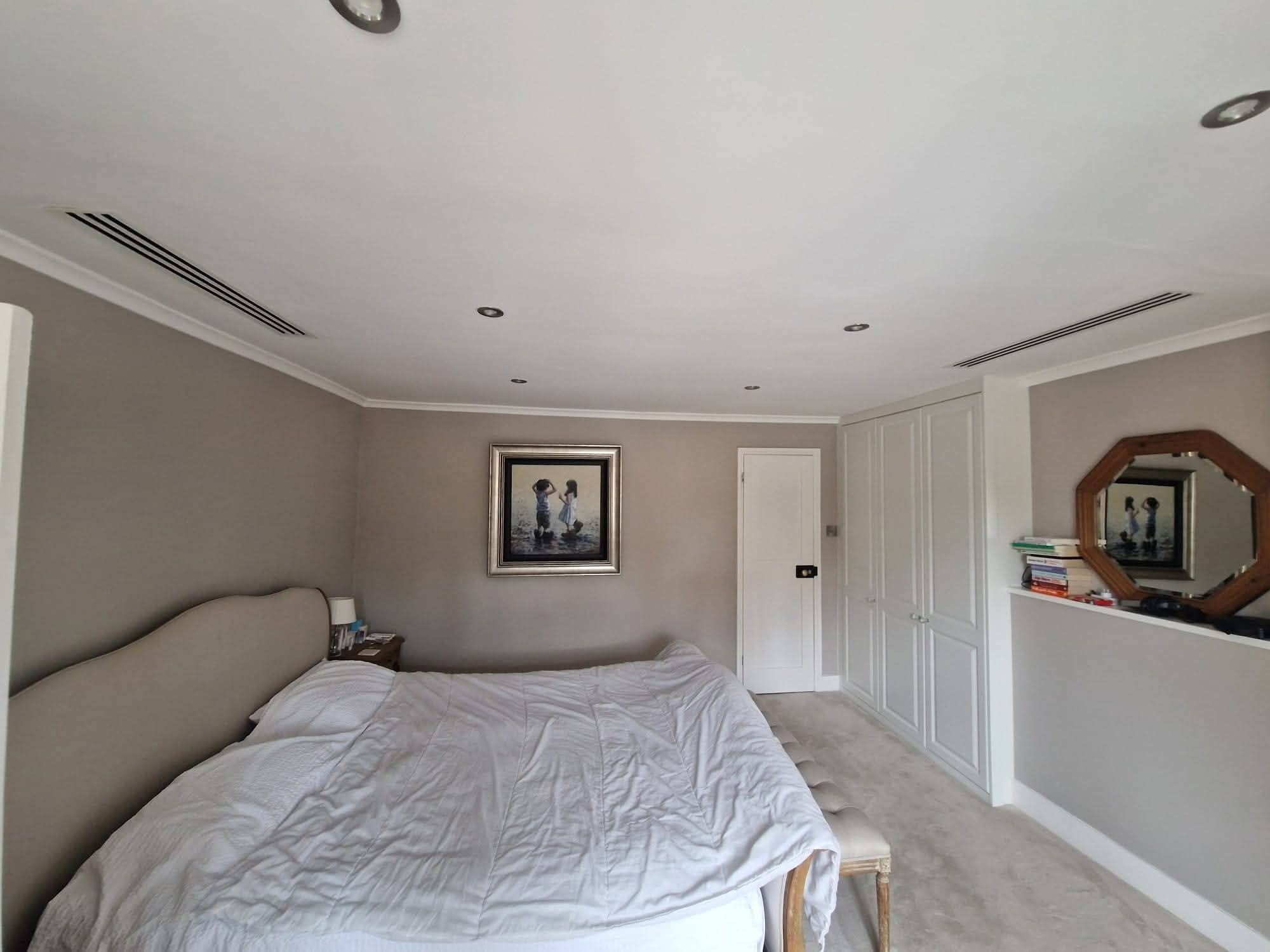
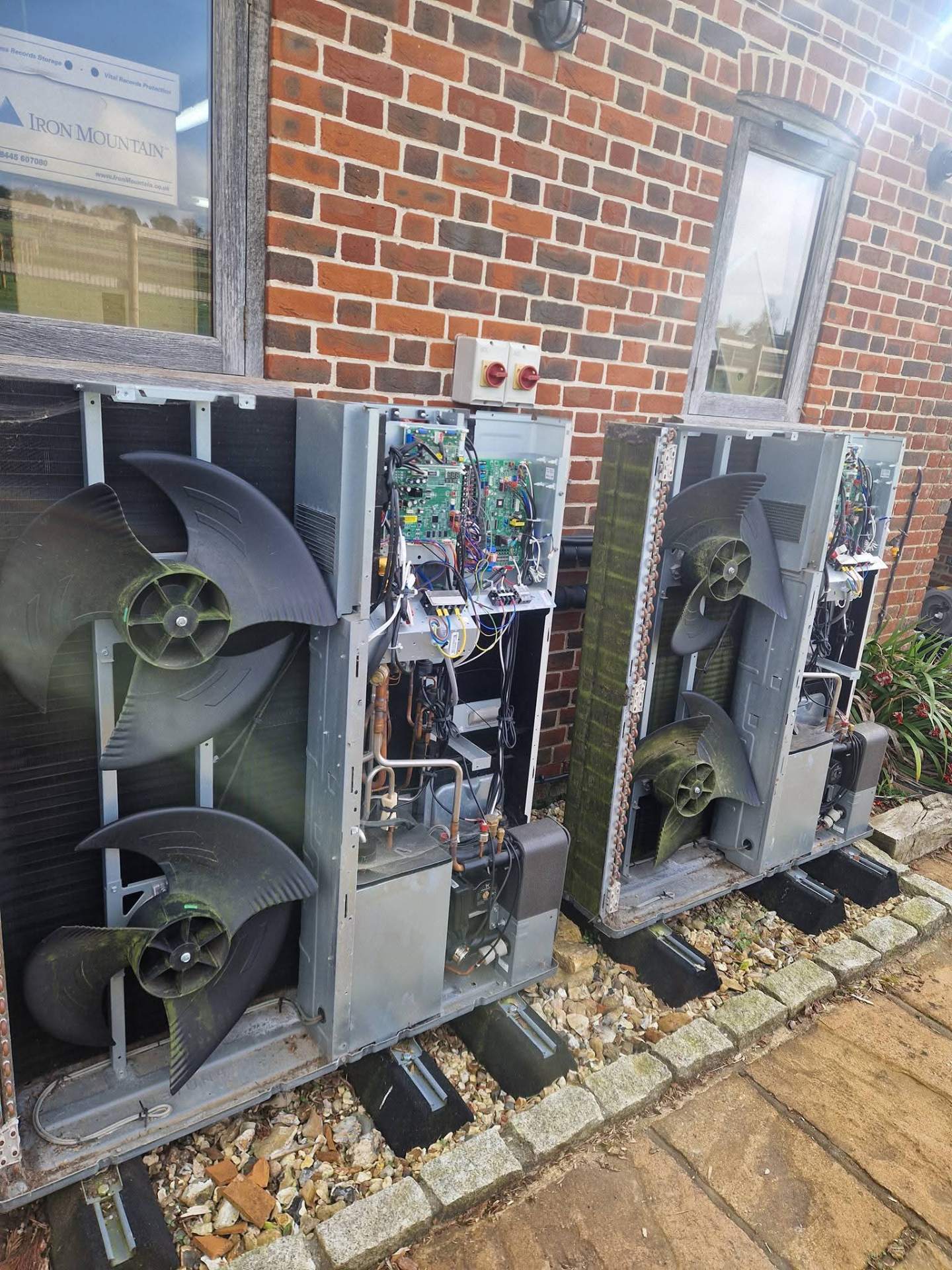
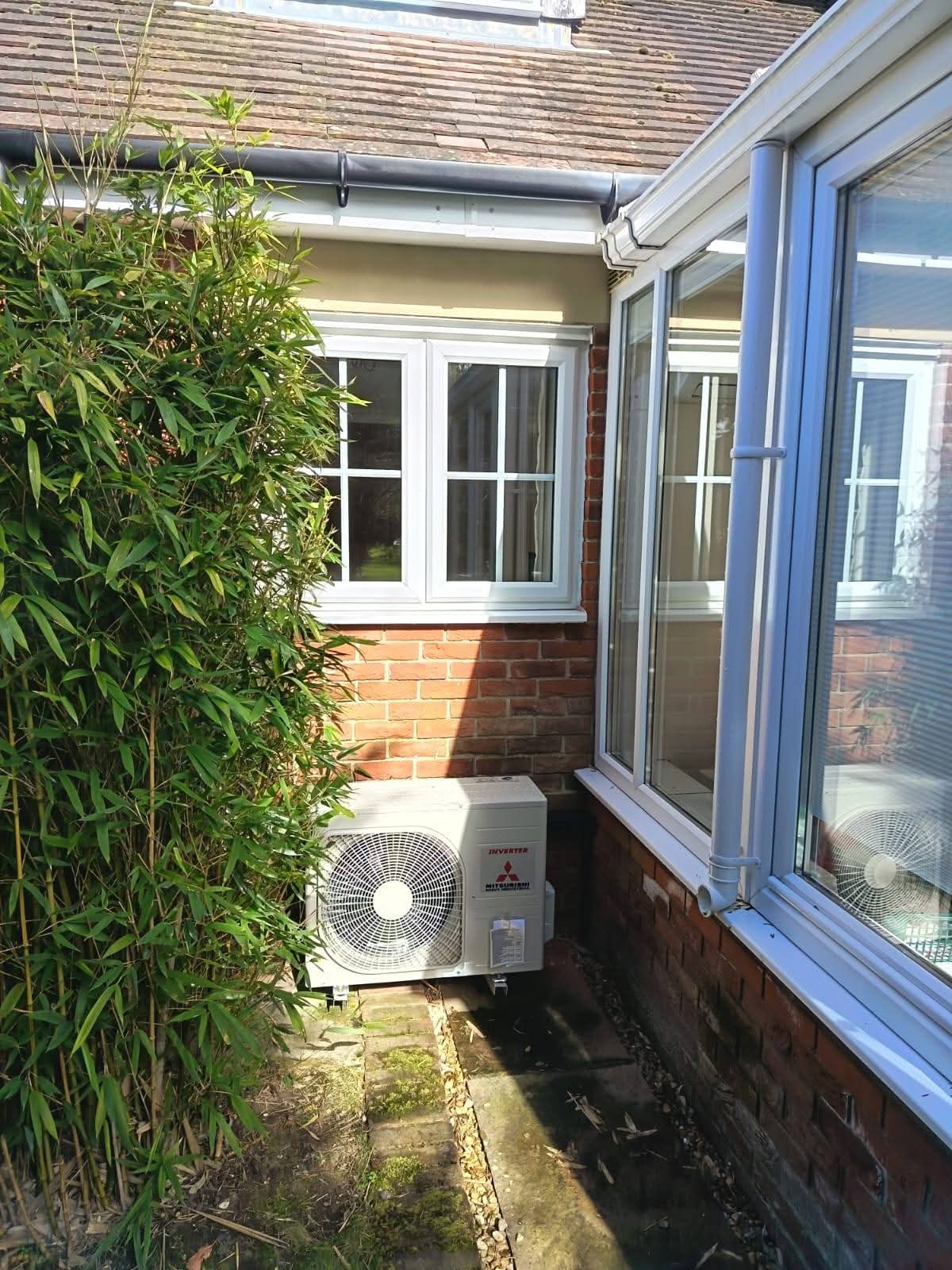
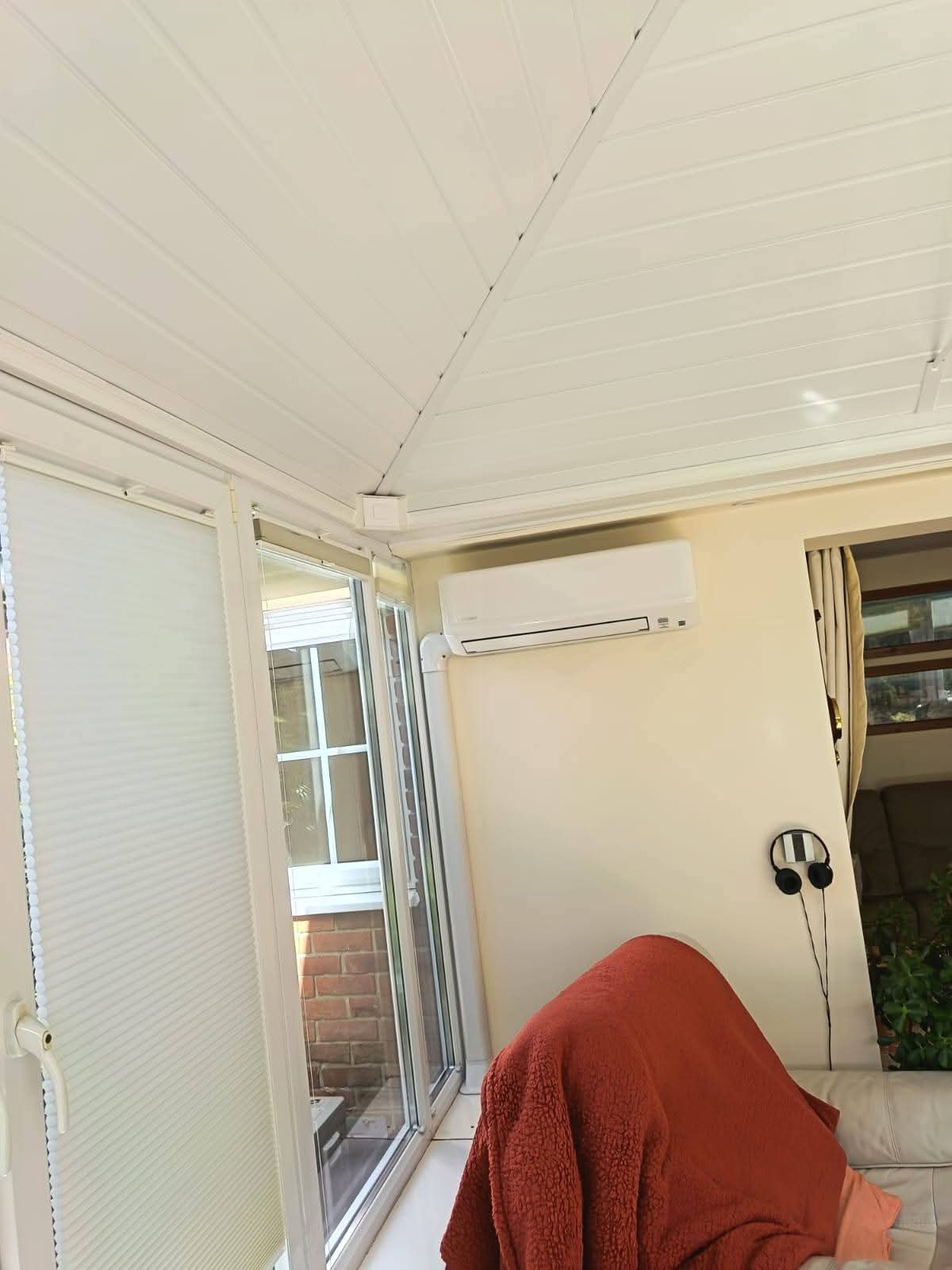
Recent Heat Pump System Upgrades and Retrofits Work
A snapshot of jobs we've recently completed across Hampshire and surrounding areas.
What This Service Covers
Heat pump system upgrades and retrofits cover the improvement of existing heat pump installations that are not performing to their potential. This might involve upgrading radiators to work at lower flow temperatures, adding underfloor heating to key rooms, replacing an inadequate hot water cylinder, or reconfiguring the hydraulic layout for better efficiency.
Many heat pump systems installed during the early adoption period — or fitted quickly under government incentive deadlines — were installed with compromises. Standard radiators were left in place, weather compensation was not configured, and hot water cylinders designed for boilers were reused. These systems work, but they work inefficiently.
This service is for homeowners who want to improve their existing heat pump system without replacing the heat pump itself. In many cases, upgrading the components around the heat pump — the emitters, controls, and hot water system — delivers a bigger improvement than replacing the unit.
Craig Ball's extensive experience in commissioning and optimising underperforming systems means he can identify exactly which upgrades will deliver the most impact for your specific installation.
What Happens If You Wait?
A heat pump running at 55°C flow temperature because the radiators are too small has a COP of around 2.0 — meaning you pay for 1kW of electricity to get just 2kW of heat. The same heat pump running at 35°C with correctly sized emitters achieves a COP of 3.5–4.0, nearly doubling your efficiency.
Many homeowners were told their existing radiators would be fine. Technically they might heat the house, but only by running the heat pump at high flow temperatures that eliminate the efficiency advantage over a gas boiler.
An old or undersized hot water cylinder with a small coil surface area forces the heat pump to run at higher temperatures for longer to heat your water. This is one of the most common but easily fixable causes of high running costs.
Without smart controls or proper zoning, your heat pump heats your entire house to the same temperature at all times — wasting energy on rooms that are unoccupied or need different temperatures.
How We Work
System Review
We assess your current installation, identify the specific components limiting performance, and calculate the expected improvement from each potential upgrade.
Upgrade Proposal
You receive a clear proposal detailing recommended upgrades, expected cost savings, and the payback period for each investment.
Scheduled Installation
Upgrade work is carried out with minimal disruption. We can phase upgrades over time if budget requires.
Recommissioning
After any upgrade, we recommission the entire system — adjusting flow rates, weather compensation, and controls to take full advantage of the new components.
Performance Verification
We measure post-upgrade performance and compare against baseline to confirm the expected improvements.
Why It Matters
Lower Running Costs
Reduced flow temperatures mean a higher COP — translating directly to lower electricity bills.
Improved Comfort
Correctly sized emitters heat rooms more evenly and maintain temperature more consistently.
Extended System Life
A heat pump running within its optimal parameters wears less quickly, extending its operational lifespan.
No Need to Replace the Heat Pump
In most cases, the heat pump itself is fine — it is the surrounding system that needs upgrading.
Phased Investment
Upgrades can be prioritised and completed in stages, spreading the cost over time.
Measurable ROI
We document performance improvements so you can see the return on your investment.
Technical Detail & Expertise
Radiator upgrades are the most common retrofit we carry out. We calculate the required output for each room at the target flow temperature (typically 35–45°C) and specify replacement radiators that meet this requirement. Double-panel, double-convector (Type 22) or larger radiators are often needed, or in some cases, fan-assisted radiators that deliver high output from a compact size.
Underfloor heating retrofits are increasingly popular as a complementary emitter to existing radiators. Wet underfloor heating running at 30–35°C is ideally matched to heat pump flow temperatures and provides excellent comfort in living rooms, kitchens, and bathrooms.
Hot water cylinder upgrades involve replacing a standard boiler cylinder with one designed for heat pump use. Heat pump cylinders have larger coil surface areas (typically 3–4 m²) to transfer heat efficiently at lower flow temperatures. This reduces reheat times and minimises immersion heater usage.
Hydraulic modifications may include adding or resizing a buffer tank, installing a low-loss header, adding zone valves for better control, or reconfiguring pump arrangements. The goal is always to ensure the heat pump operates within its designed flow rate range across all operating conditions.
Control upgrades range from simple programmable thermostats to smart zoning systems that learn your schedule and adjust heating accordingly. Weather compensation sensors can be added or relocated for more accurate readings. Smart thermostats with heat pump-specific algorithms (such as Homely or Vaillant's myVAILLANT) can further improve efficiency.
For properties with older heat pumps approaching end of life, we advise on whether upgrading components around the existing unit is worthwhile, or whether a system-wide replacement with a newer, more efficient heat pump is the better investment.
Frequently Asked Questions
Get More From Your Existing Heat Pump
Targeted upgrades that deliver measurable efficiency gains. Book your system review today.
Most enquiries responded to within 2 hours