
1. Thermostat Settings Are Incorrect
The most common reason a heat pump appears to stop working is a thermostat issue. If the set temperature is lower than the room temperature, the system won't call for heat. Check that your thermostat is set to heating mode and the target temperature is above the current room reading.
If you have a smart thermostat, verify that scheduled programmes haven't overridden your manual settings. We see this frequently with Hive and Nest controllers where holiday modes have been left active.
2. The System Is in Defrost Mode
During cold weather, air source heat pumps periodically enter defrost cycles to clear ice from the outdoor unit's evaporator coil. This is normal operation and typically lasts 5–15 minutes. During defrost, the system reverses its refrigerant flow, which means it temporarily stops heating.
If your heat pump seems to be in defrost mode excessively — more than once per hour or for longer than 15 minutes — there may be an underlying issue such as a faulty defrost sensor or a refrigerant charge problem.
3. Refrigerant Charge Is Low
A refrigerant leak will cause a gradual decline in heating performance. The system may still run but won't achieve target temperatures. Common signs include ice forming on refrigerant pipes, the outdoor unit running continuously, and higher-than-normal electricity consumption.
Refrigerant work must be carried out by an F-Gas certified engineer, and a heat pump repair specialist will leak test before recharging. If you suspect a leak, switch the system off and contact a specialist. Running a heat pump with low refrigerant can damage the compressor — the most expensive component to replace.
4. Outdoor Unit Is Blocked or Restricted
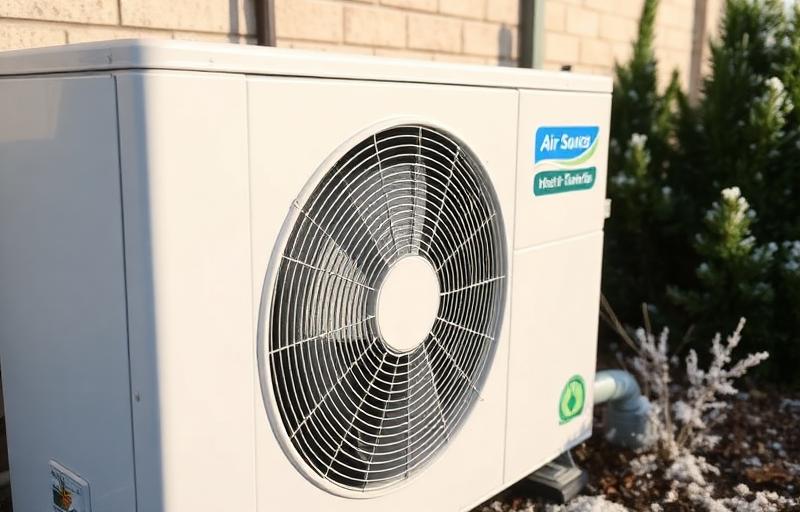
The outdoor unit needs clear airflow to extract heat from the air. Leaves, debris, snow accumulation, or objects placed too close to the unit can restrict airflow and reduce performance significantly.
Maintain at least 300mm clearance on all sides and ensure nothing is blocking the fan discharge at the top of the unit. Regularly clear fallen leaves during autumn — this is one of the simplest things you can do to maintain performance.
5. Flow Temperatures Are Set Too Low
If your heat pump was commissioned with flow temperatures that are too low for your radiator system, the house will never reach a comfortable temperature. This is particularly common in properties where a heat pump has replaced a gas boiler without upgrading undersized radiators.
A properly commissioned system should have flow temperatures matched to the heat loss characteristics of your property. If your system has never quite felt warm enough since installation, this is likely the issue — and it's correctable with proper commissioning and system optimisation.
6. The Compressor Has Failed
A failed compressor will typically trigger a fault code on the controller. The outdoor unit may still run its fan but won't produce any heating effect. Compressor failures can be caused by refrigerant issues, electrical faults, or simply age and wear.
Compressor replacement is a significant repair but is often more cost-effective than replacing the entire unit, particularly on systems less than 8–10 years old. An experienced engineer can advise whether repair or replacement makes more economic sense.
7. Electrical Supply Issues
Heat pumps require a stable electrical supply. Voltage drops, tripped MCBs, or a failed isolator switch can all prevent the system from operating. Check your consumer unit for tripped breakers and ensure the isolator switch at the outdoor unit is in the ON position.
If the system trips repeatedly, do not keep resetting it — this indicates a fault that needs professional diagnosis. Repeated tripping can indicate an earth fault, short circuit, or compressor winding failure.
When to Call an Engineer
If you've checked the thermostat, cleared the outdoor unit, and confirmed the electrical supply is intact, and the system still isn't heating — it's time to call a specialist. Attempting DIY repairs on refrigerant circuits or electrical components is both dangerous and illegal without proper certification.
At Appian Heat Pumps, we diagnose heat pump faults across all major brands including Mitsubishi, Daikin, Vaillant, Samsung, and LG. Most faults can be diagnosed and repaired in a single visit, and our emergency callout service covers total breakdowns.